

Nestled in the picturesque foothills of northern Utah, Brigham City West is a neighborhood with a heritage as rich as the orchards that dot its landscape. For newcomers and longtime residents alike, the history of Brigham City West is a tale woven with pioneer grit, community spirit, and a strong connection to the land. Let's take a stroll through the origins, evolution, and enduring legacy of this beloved neighborhood, where every street and landmark has a story to tell.
Early Beginnings: A Frontier Settlement Evolves
Brigham City traces its roots to 1851, when Mormon pioneers led by Lorenzo Snow established a settlement in Box Elder County. Brigham City West—identified today as the area west of Main Street and running toward the Bear River—was once a patchwork of sagebrush and farmland. Early residents carved out homesteads along what is now Forest Street and 600 West, working together to build irrigation ditches, farm the fertile ground, and lay the foundation for a vibrant community.
The neighborhood didn’t originally have a formal title—residents simply referred to its location relative to the bustling downtown along Main Street. Over time, as the city grew, the region naturally came to be called Brigham City West, denoting its proud position as the gateway to pastoral lands and, eventually, the mouth of famed Sardine Canyon.
Naming the Neighborhood: Brigham City’s Western Edge
The name “Brigham City West” grew organically alongside the city itself. As Brigham City expanded, the area west of Main Street became a convenient identifier for locals. Forest Street, one of Brigham City West's key thoroughfares, was named for the tall, dense forests that once blanketed the area north and west of the original settlement. Another notable street, 800 West, became a symbolic dividing line between city and countryside, where urban homes met the rural horizon.
Key Historical Milestones
- Agricultural Pioneers: In the late 1800s, the West neighborhood became renowned for its orchards—apples, peaches, cherries, and pears flourished in the loamy soils. The annual fruit harvest brought residents together, and roadside fruit stands (some still in operation today along 1100 West) turned into landmarks that drew visitors from across Utah.
- Irrigation and Industry: A turning point came with the construction of large-scale canals and ditches, including the Box Elder Creek irrigation system. These efforts, spearheaded by local families, helped transform Brigham City West from arid fields to green groves and productive farms.
- The Golden Spike Legacy: While the Golden Spike National Historical Park lies just to the northwest, the spirit of the railroad era shaped Brigham City West as well. Train depots and warehouses sprang up near the western city limits, bringing with them workers, commerce, and new opportunities.
- Community Hubs: The early 20th century saw the rise of schools, churches, and gathering halls along 500 West and around the area now occupied by John Adams Park. These institutions cemented the neighborhood as a self-sufficient and tight-knit community.
Landmarks and Institutions: Anchors of Local Heritage
- John Adams Park: The heart of Brigham City West for outdoor recreation, this spacious community park on 600 West is more than just green lawns and playgrounds. It's the site of annual festivals, family reunions, and the storied Peach Days celebrations each September.
- Box Elder High School: Set on the western edge (380 South 600 West), Box Elder High has educated generations since its original construction. Its campus is a beacon of purple pride on game nights and a symbol of neighborhood unity.
- Historic Farmhouses: Dotting 800 West and its side streets, you'll still find classic pioneer homes—many lovingly preserved or restored, showcasing brickwork from the late 1800s and wraparound porches that recall quieter times.
- Veterans Memorial and Railroad Artifacts: Near the western end of Forest Street, a small but moving veterans memorial sits alongside displays of antique railcars, paying tribute both to local heroes and the era when rail was the city’s lifeblood.
Evolution Through the Decades
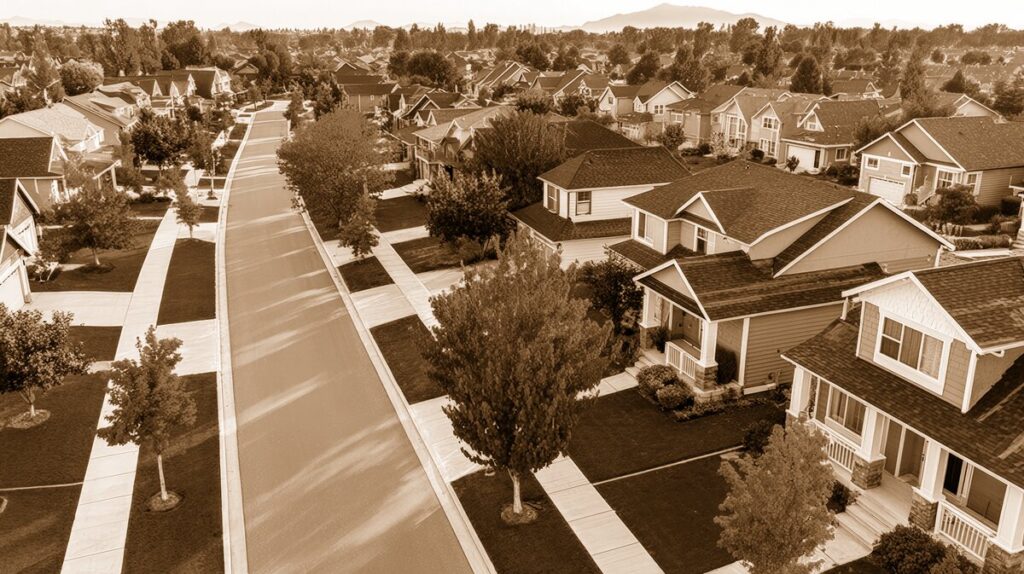
The post-WWII years ushered in new growth, as returning veterans and their families built modest tract homes beside old orchards. By the 1970s and ’80s, new subdivisions began to appear, but organizers worked hard to preserve open spaces and neighborly traditions.
*Brigham City West today* finds itself at a crossroads between honoring its quiet, agricultural roots and accommodating thoughtful development. Community festivals, like the beloved Fourth of July parade that runs down 600 West, help bridge generations, while new parks and trails offer gathering places for young families.
What Makes Brigham City West Special?
Residents say it's the blend of history and homegrown hospitality. Where else can you find century-old fruit trees shading new playgrounds, or families who trace their stories back to the original settlers of Box Elder County? Whether you see children racing bikes down Forest Street, neighbors sharing peaches in late summer, or volunteers tending to the community gardens at Pioneer Park, the spirit of Brigham City West is palpable.
For those looking to put down roots, or simply enjoy an afternoon exploring history, Brigham City West offers a living testament to the resilience and warmth of Utah’s northern communities. Its streets, parks, and storied buildings continue to welcome all—and promise many more chapters to come.